Initiatives
Title
21 Initiatives
Ongoing
s’EPanouir–FLourish: developing EPFL’s educational programs
s'EPanouir–FLourish is EPFL's educational initiative to rethink Bachelor's programs and prepare students for a world transformed by AI and the growing complexity of science and engineering. Led by the Direction in close collaboration with faculty and students, it aims for a first implementation phase in September 2027.
Ongoing
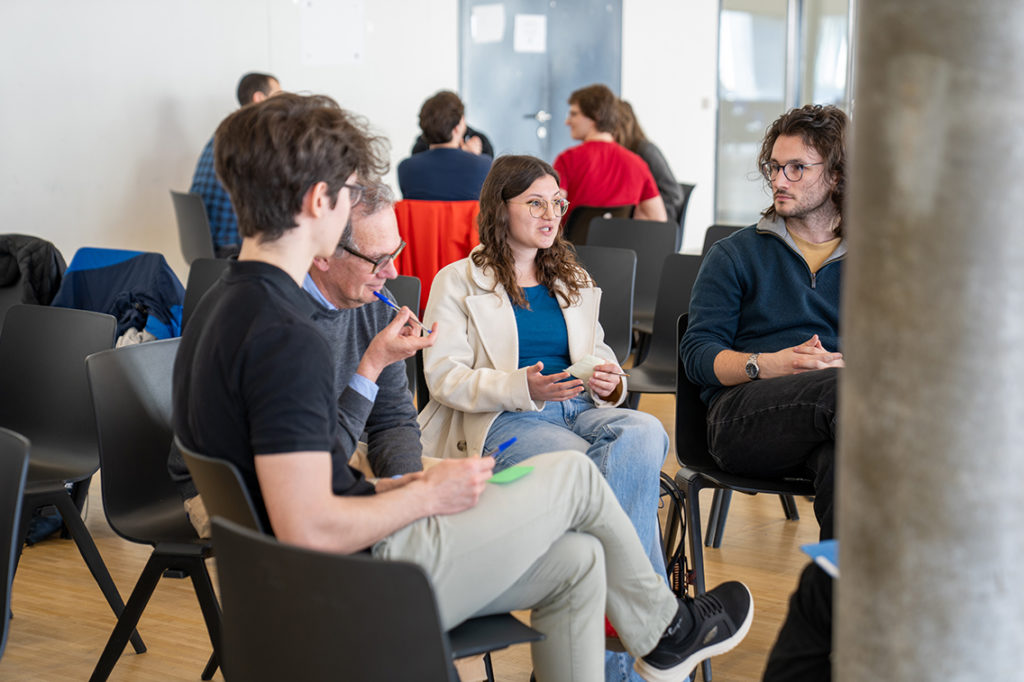
STAGE : STEM Teaching in the Age of Generative AI
The STAGE project aims to develop skills that enable the responsible and meaningful use of generative AI in educational settings.
Ongoing
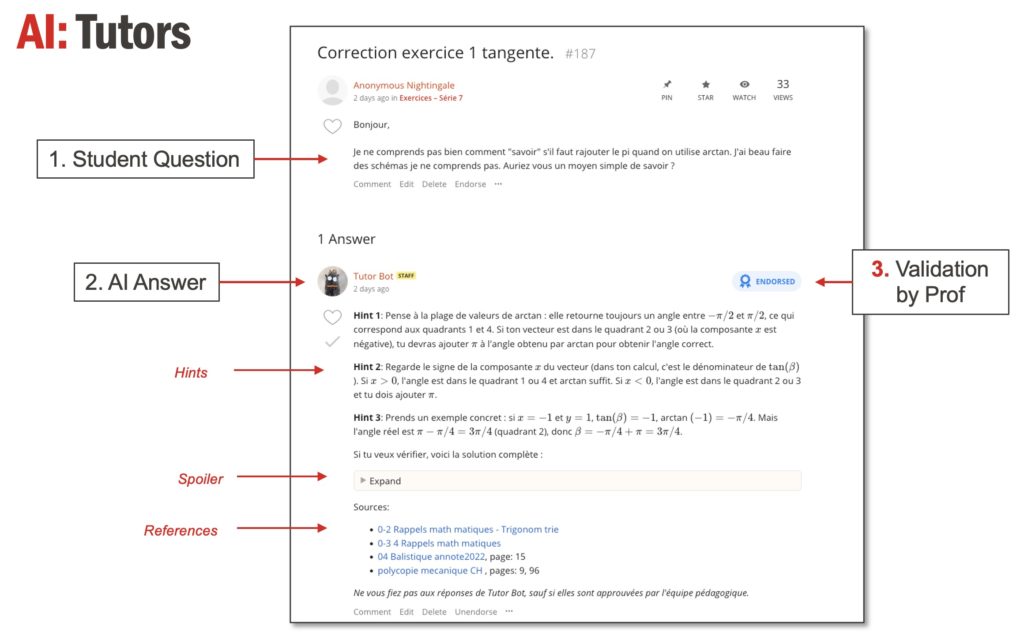
AI4ED Actions at EPFL
At LEARN, we see GenAI not just as a way to ease daily teaching tasks, but as a powerful opportunity for real pedagogical innovation. Turning this potential into reality requires collaboration across our associated centers and labs.
Ongoing
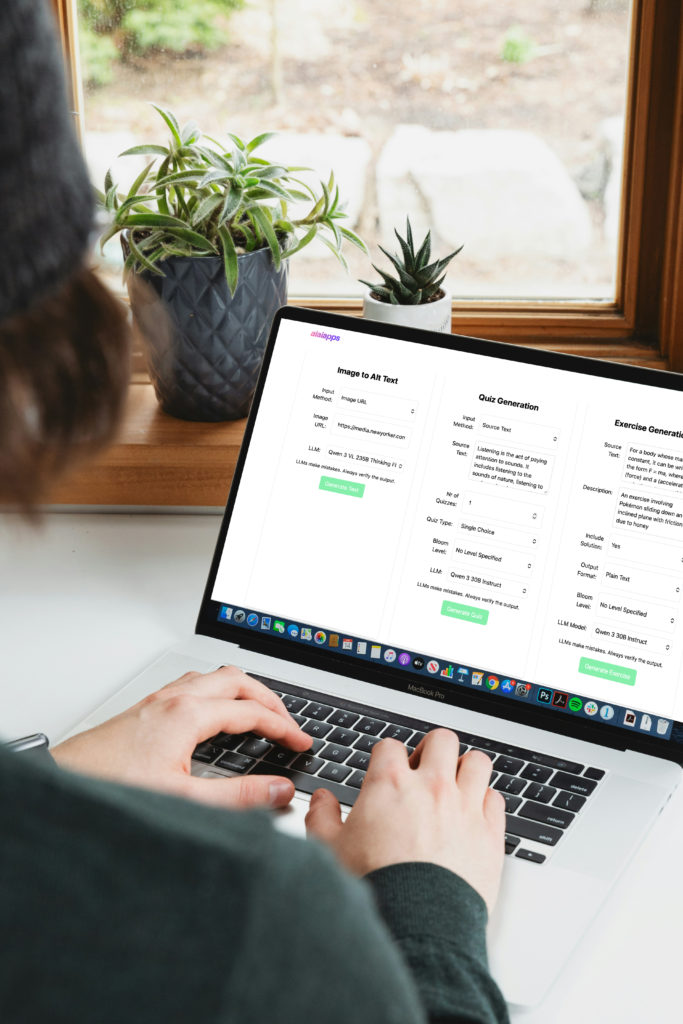
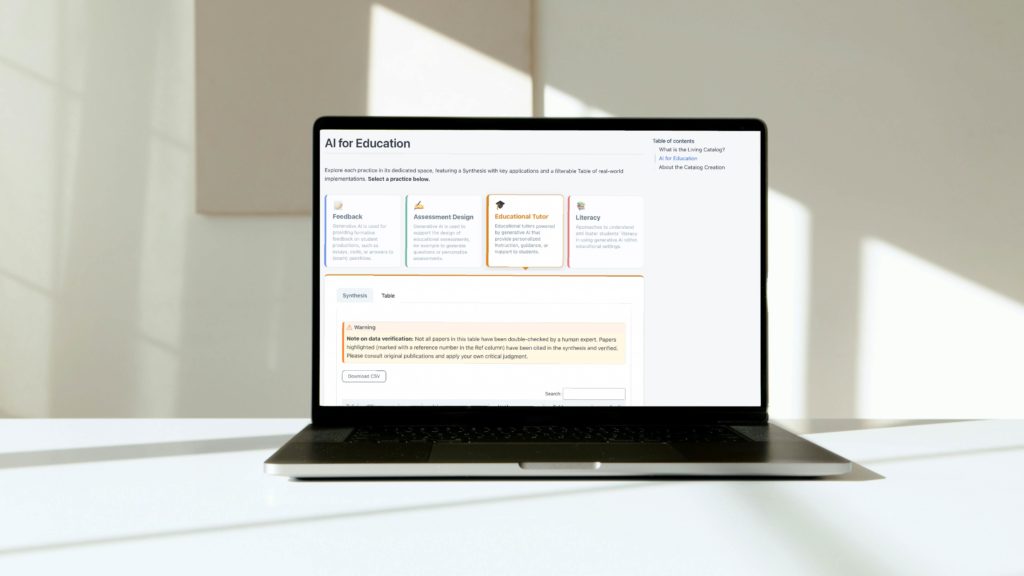
Living catalogue on emerging AI Practices in Education
The living catalogue is a practical guide to research-based emerging AI practices in education, curated and regularly updated by the Center for Learning Sciences at EPFL.
Ongoing
Swiss MOOC Service
100% hosted in Switzerland, the Swiss MOOC Service was built to serve public institutions and allow easy distribution of MOOCs.
Ongoing
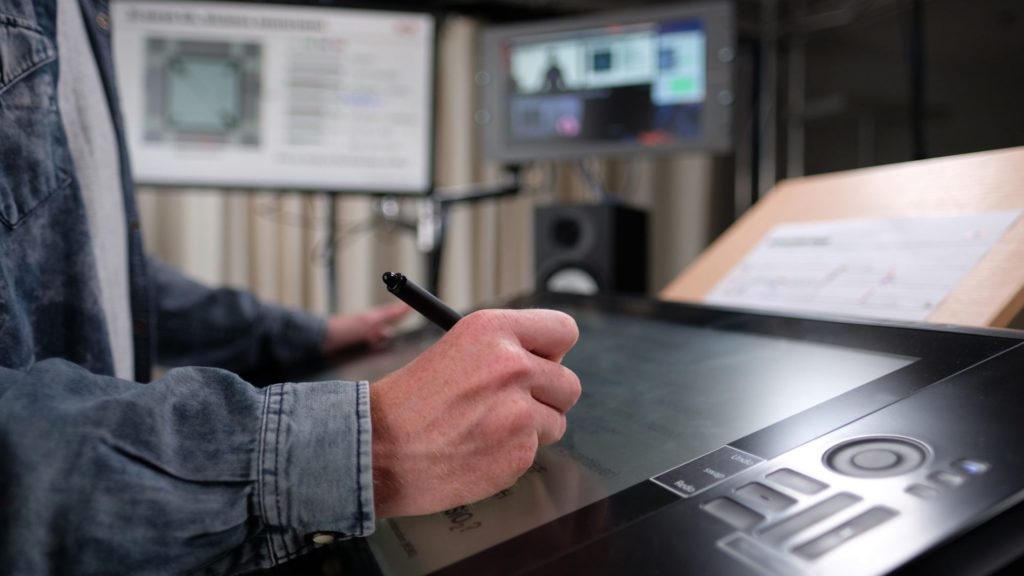
Campus Analytics
Data science for education. We aim at using the power of machine learning and data science to uncover hidden patterns and paths in EPFL’s educational system.

Ongoing
MOOC Factory
In the span of a single decade, EPFL has produced more than 140 courses that have attracted 3’000’000 registrations. We now look at leveraging video resources produced in 2020.

Ongoing
Workshops for teachers and Doctoral Assistants
Our online and on campus workshops address the typical range of university teaching activities.

Ongoing
Research on Education in Times of Covid-19
How does distance teaching during lockdown affect students and teachers? How can we collect the evidence in order to inform decision-makers?
Ongoing
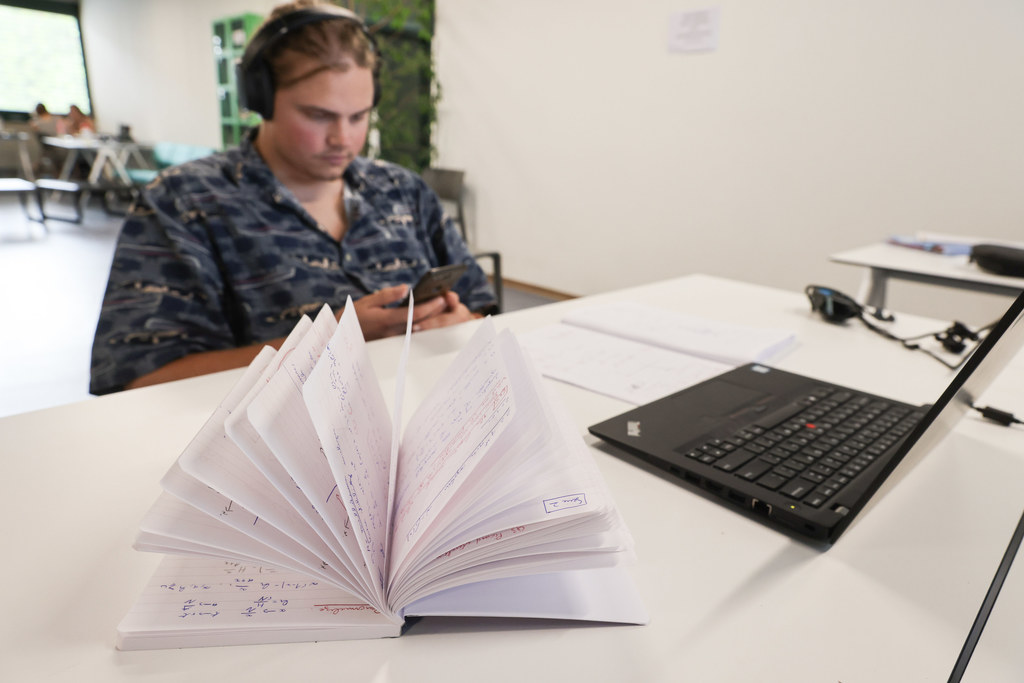
iHub4Schools
Accelerating digital innovation in schools through Regional Innovation Hubs and a whole-school mentoring model.

Ongoing
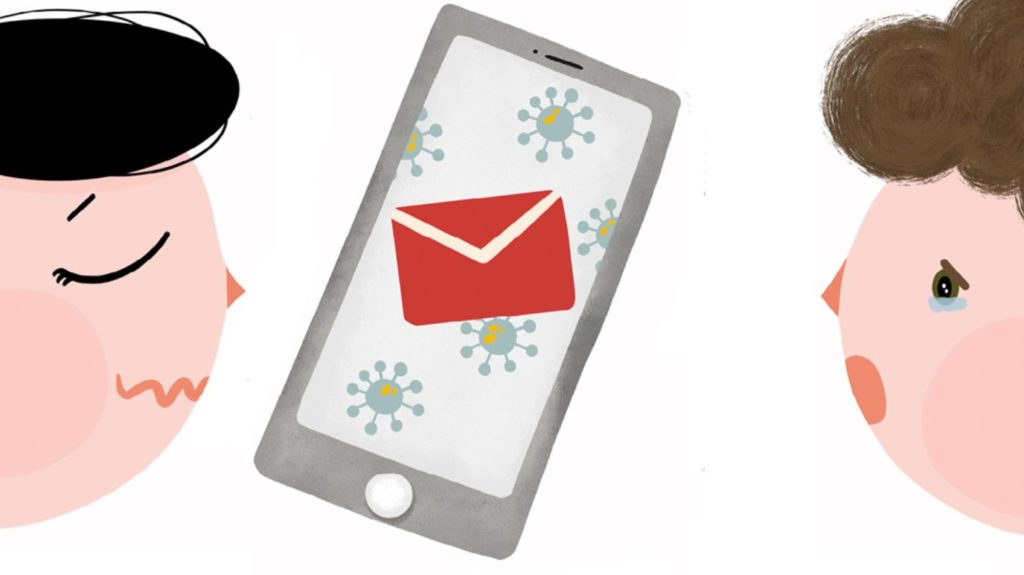
Teaching in times of covid-19
The LEARN teams supported EPFL teachers and primary school educators in implementing and adapting distance and hybrid teaching in the unexpected and imposed context of the COVID-19 pandemic lockdown.
Ongoing
Jupyter Notebooks
Computational thinking in practice. We offer easy access to Jupyter Notebooks for students, and support instructors on the best designs and use in class.

Ongoing
Swiss Digital Skills Academy
Open Educational Resources (OERs) and Open Educational Platforms (OEPs) are playing a key role in strengthening digitalization in higher education. Up to now, their development and deployment have been mainly carried out by IT services and media experts.
The creation of a Swiss Digital Skills Academy is enabling and empowering professors and educators in higher education institutions, as well as HEP/PH students to take control of and to fully adopt their digital ecosystem in their educational practices.
The creation of a Swiss Digital Skills Academy is enabling and empowering professors and educators in higher education institutions, as well as HEP/PH students to take control of and to fully adopt their digital ecosystem in their educational practices.
Ongoing
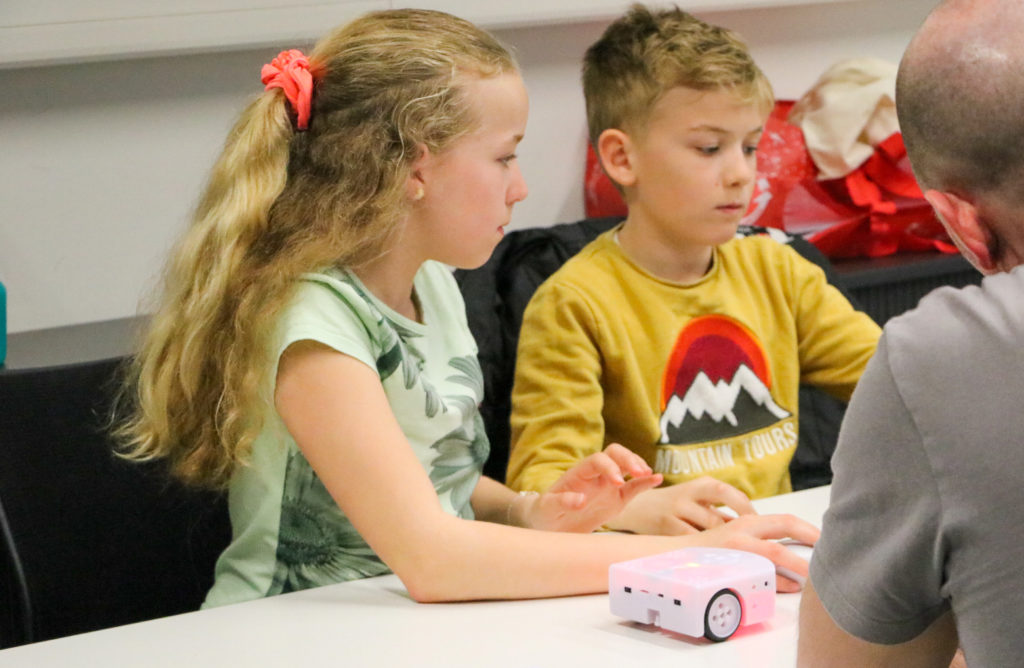
Thymio: the state-of-the-art in mobile educational robotics
Thymio is an open-source educational robot designed by researchers from EPFL, in collaboration with ECAL, and produced by Mobsya, a nonprofit association whose mission is to offer comprehensive, engaging STEAM journeys to learners of all ages.
Finished
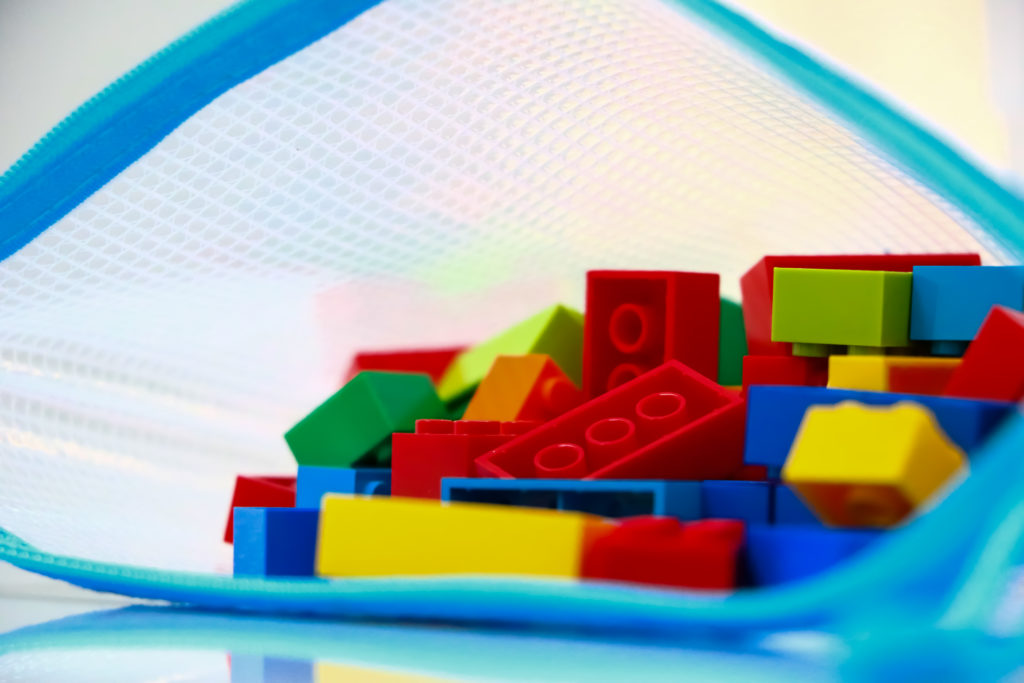
3T PLAY Tangible objects for developing Transversal skills at Technical universities
The 3T PLAY project develops playful activities with tangible objects to teach transversal skills to engineering students. Embedded in a premier engineering school, we take a research-based approach to identifying skills that are under-addressed in the higher education literature and skills of emerging importance for today’s environmental, social and economic challenges. The trident framework and activity guides have been iteratively developed through empirical observations and implementation, creating open-source resources for the engineering education and research communities.
Ongoing
Learning Companion
The Learning Companion is the result of a collaboration between the Center for Digital Education (CEDE) and the Teaching Support Center (CAPE) at EPFL, both members of the Center LEARN.
The Learning Companion allows students to self-assess on three levels. It invites them to reflect on their learning habits, problem-solving strategies, and their project management skills.
The Learning Companion allows students to self-assess on three levels. It invites them to reflect on their learning habits, problem-solving strategies, and their project management skills.
