Initiatives
Title
18 Initiatives
Ongoing
s’EPanouir–FLourish: developing EPFL’s educational programs
s'EPanouir–FLourish is EPFL's educational initiative to rethink Bachelor's programs and prepare students for a world transformed by AI and the growing complexity of science and engineering. Led by the Direction in close collaboration with faculty and students, it aims for a first implementation phase in September 2027.
Ongoing
AI4ED Actions at EPFL
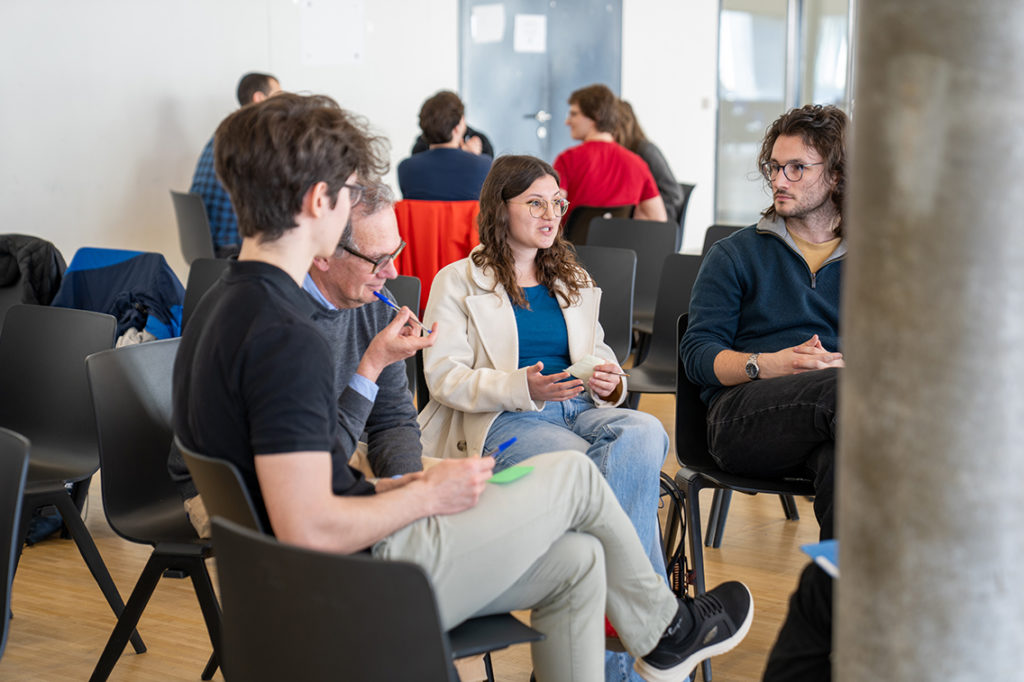
At LEARN, we see GenAI not just as a way to ease daily teaching tasks, but as a powerful opportunity for real pedagogical innovation. Turning this potential into reality requires collaboration across our associated centers and labs.
Ongoing
EuroTeQ
The EuroTeQ Engineering University project is a European initiative bringing together several partner institutions with the aim of building a modern and innovative learning ecosystem that transcends borders.
Ongoing
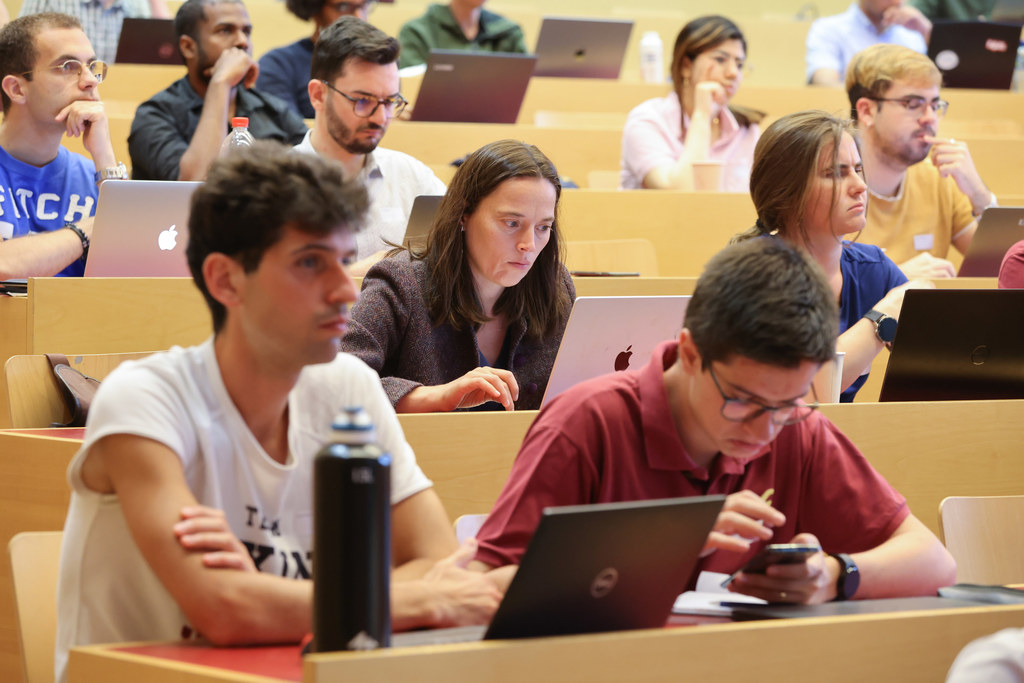
Supportive Learning Environments in the 1st year at EPFL
Study success and study progress are topics of great interest in STEM education research and this is especially the case in the pivotal first year.
Ongoing
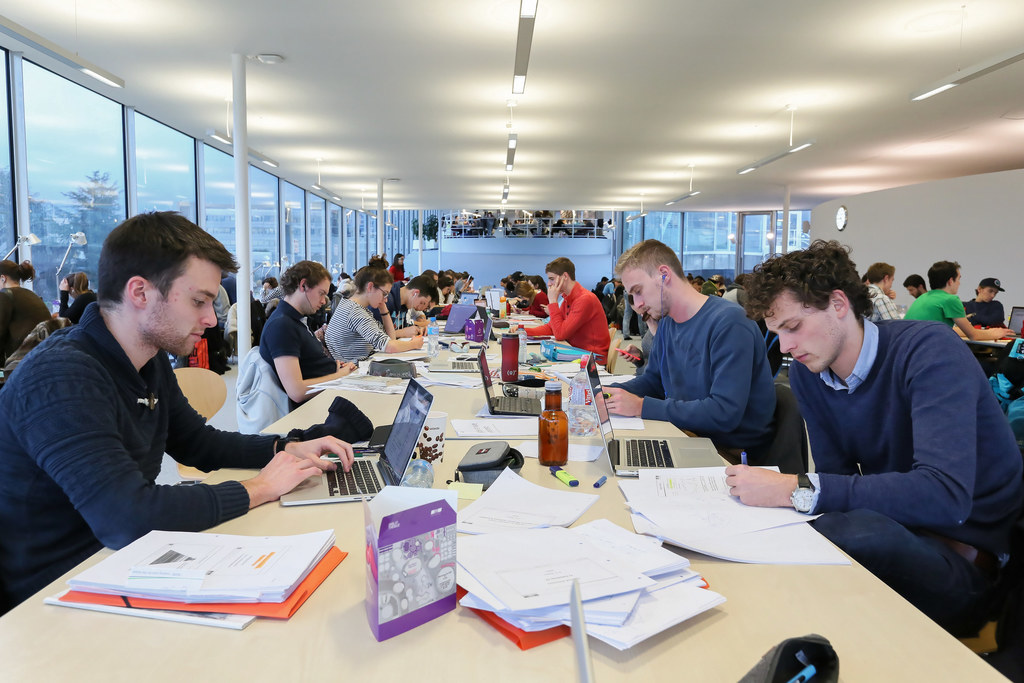
Professional skills
Professional (transversal) skills are career competences that are not specific to a particular job, task, discipline or are of knowledge. They are skills that can be used in variety of work settings, and as such are necessary for engineering graduates’ successful transition into future jobs.
Ongoing
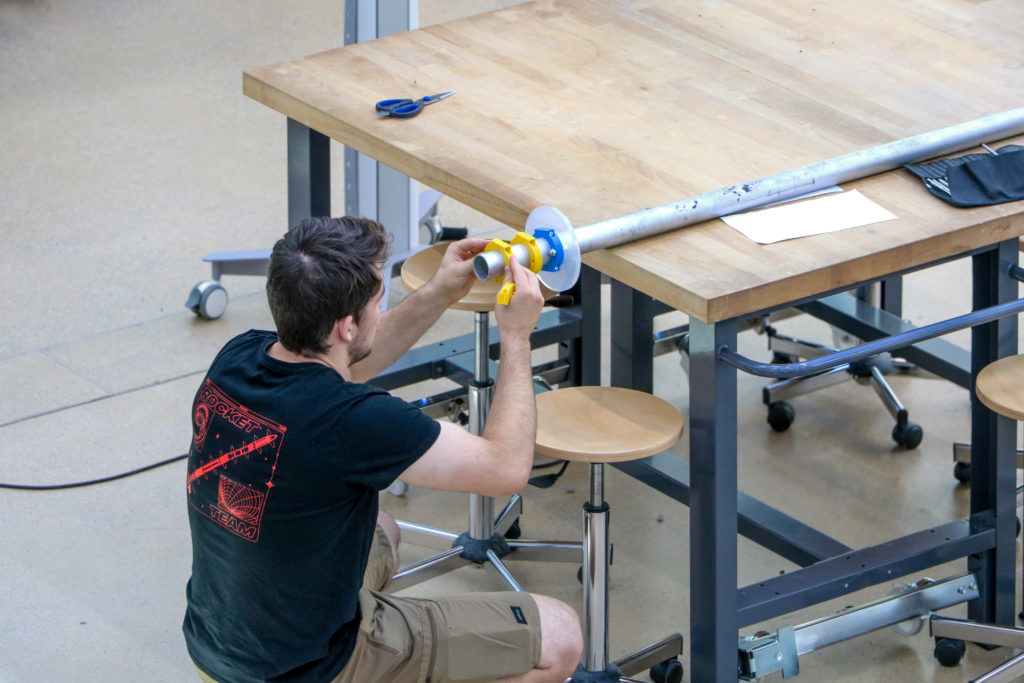
Transversal Skills and Portfolios
Helping engineering students develop essential professional skills through portfolio-based learning.

Ongoing
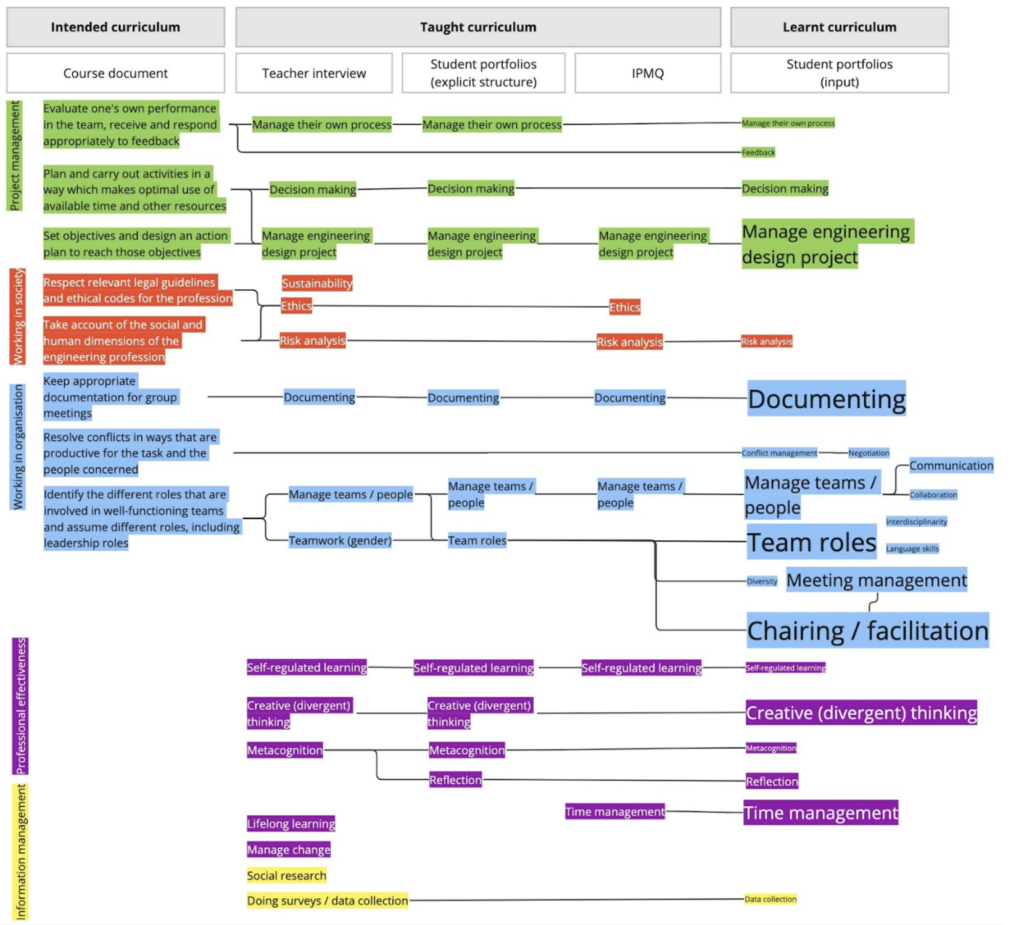
Making learning explicit
Using a portfolio approach for integrating transversal skills into the engineering curriculum.
Ongoing
BeLEARN
In order to strengthen and extend EPFL’s contribution to the digital transformation of education, the Center LEARN has joined the partnership between the Canton of Bern’s Department of Education and Culture and five universities to form BeLEARN: a competence center whose objective is to advance digital education through a translational approach.
Ongoing
Workshops for teachers and Doctoral Assistants
Our online and on campus workshops address the typical range of university teaching activities.

Ongoing
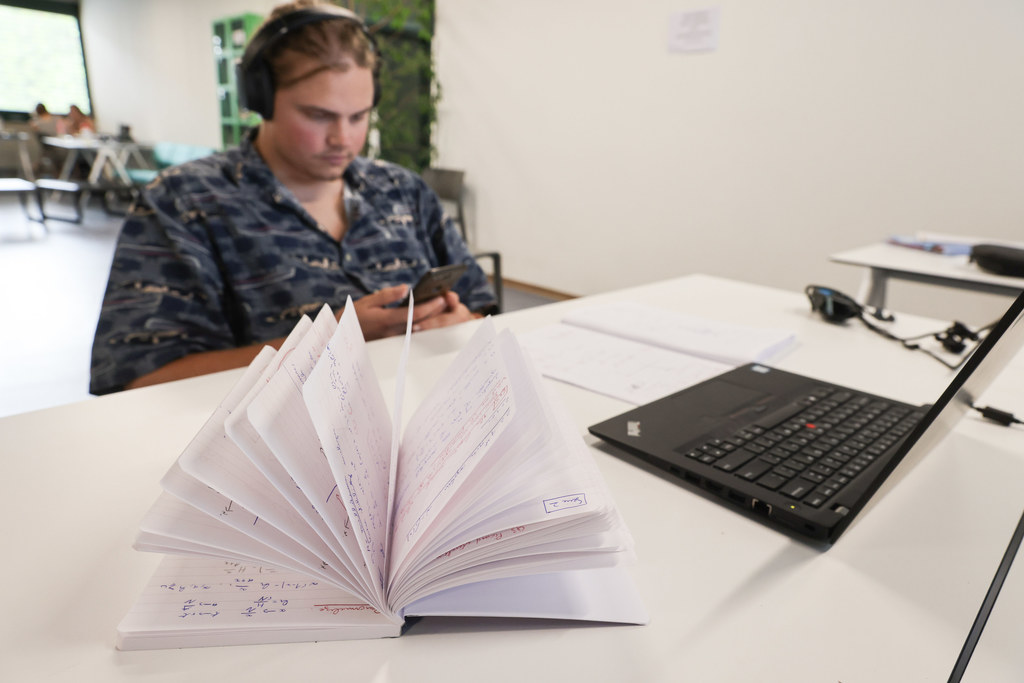
Research on Education in Times of Covid-19
How does distance teaching during lockdown affect students and teachers? How can we collect the evidence in order to inform decision-makers?
Ongoing
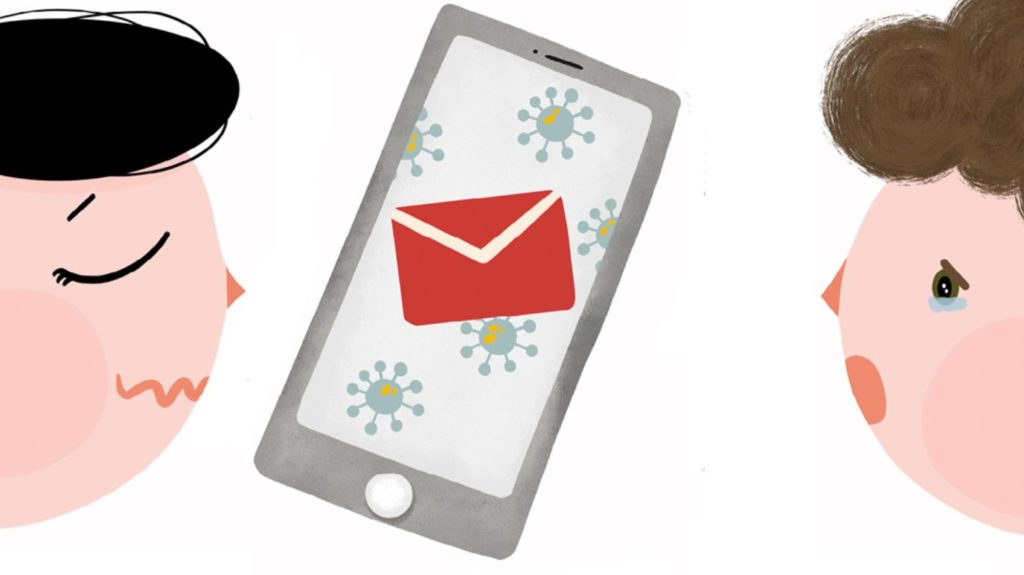
Teaching in times of covid-19
The LEARN teams supported EPFL teachers and primary school educators in implementing and adapting distance and hybrid teaching in the unexpected and imposed context of the COVID-19 pandemic lockdown.
Ongoing
Jupyter Notebooks
Computational thinking in practice. We offer easy access to Jupyter Notebooks for students, and support instructors on the best designs and use in class.

Finished
3T PLAY Tangible objects for developing Transversal skills at Technical universities
The 3T PLAY project develops playful activities with tangible objects to teach transversal skills to engineering students. Embedded in a premier engineering school, we take a research-based approach to identifying skills that are under-addressed in the higher education literature and skills of emerging importance for today’s environmental, social and economic challenges. The trident framework and activity guides have been iteratively developed through empirical observations and implementation, creating open-source resources for the engineering education and research communities.

Ongoing
Learning Companion
The Learning Companion is the result of a collaboration between the Center for Digital Education (CEDE) and the Teaching Support Center (CAPE) at EPFL, both members of the Center LEARN.
The Learning Companion allows students to self-assess on three levels. It invites them to reflect on their learning habits, problem-solving strategies, and their project management skills.
The Learning Companion allows students to self-assess on three levels. It invites them to reflect on their learning habits, problem-solving strategies, and their project management skills.

Ongoing
Mapping transversal skills
Professional (transversal) skills are career competences that are not specific to a particular job, task, discipline or are of knowledge. They are skills that can be used in variety of work settings, and as such are necessary for engineering graduates’ successful transition into future jobs.

Ongoing
Computational thinking assessment
The goal of this initiative is to build a test to gauge computational thinking skills in a valid and reliable fashion. We are building, testing and validating a test that can be taken by anyone regardless of their previous knowledge or expertise in computer science.