Initiatives
Title
8 Initiatives
Ongoing
Utop’IA: a graphic novel to understand the impact of AI
An educational tool for understanding AI through the lens of sustainability.

Ongoing
iHub4Schools
Accelerating digital innovation in schools through Regional Innovation Hubs and a whole-school mentoring model.

Ongoing
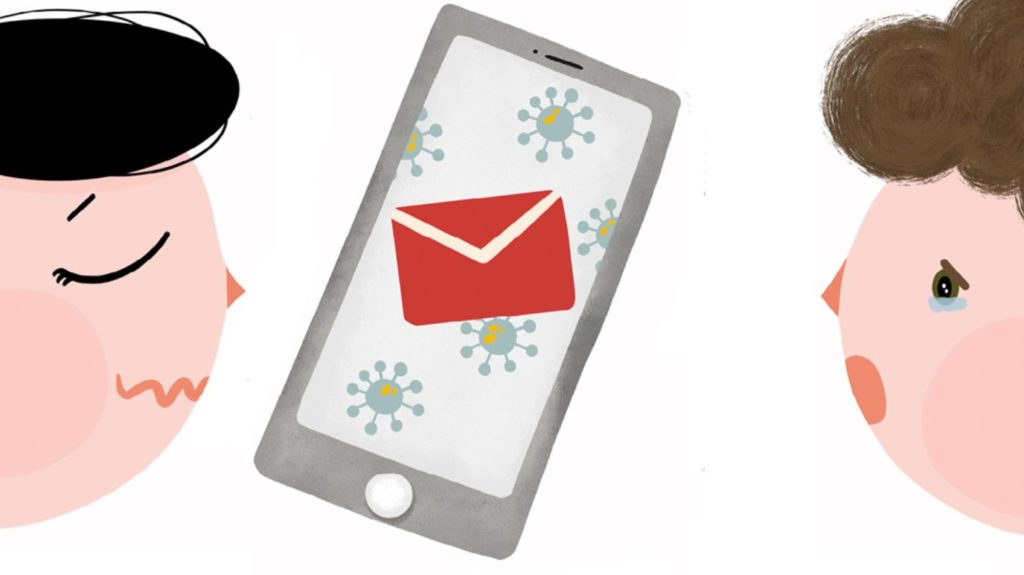
Teaching in times of covid-19
The LEARN teams supported EPFL teachers and primary school educators in implementing and adapting distance and hybrid teaching in the unexpected and imposed context of the COVID-19 pandemic lockdown.
Ongoing
Swiss Digital Skills Academy
Open Educational Resources (OERs) and Open Educational Platforms (OEPs) are playing a key role in strengthening digitalization in higher education. Up to now, their development and deployment have been mainly carried out by IT services and media experts.
The creation of a Swiss Digital Skills Academy is enabling and empowering professors and educators in higher education institutions, as well as HEP/PH students to take control of and to fully adopt their digital ecosystem in their educational practices.
The creation of a Swiss Digital Skills Academy is enabling and empowering professors and educators in higher education institutions, as well as HEP/PH students to take control of and to fully adopt their digital ecosystem in their educational practices.

Ongoing
roteco: robotics teacher community
roteco is a community of practice for teachers interested in integrating educational robotics into their classrooms.

Ongoing
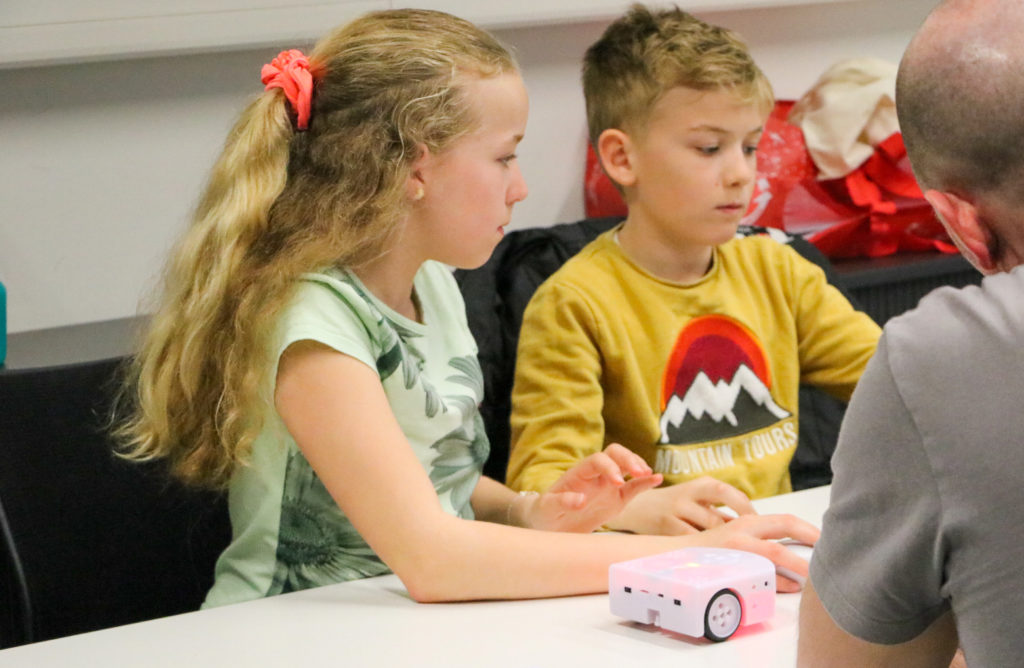
Thymio: the state-of-the-art in mobile educational robotics
Thymio is an open-source educational robot designed by researchers from EPFL, in collaboration with ECAL, and produced by Mobsya, a nonprofit association whose mission is to offer comprehensive, engaging STEAM journeys to learners of all ages.
Ongoing
Learning Companion
The Learning Companion is the result of a collaboration between the Center for Digital Education (CEDE) and the Teaching Support Center (CAPE) at EPFL, both members of the Center LEARN.
The Learning Companion allows students to self-assess on three levels. It invites them to reflect on their learning habits, problem-solving strategies, and their project management skills.
The Learning Companion allows students to self-assess on three levels. It invites them to reflect on their learning habits, problem-solving strategies, and their project management skills.

Ongoing
ASPIRE
ASPIRE is empowering researchers, beyond the current platform stakeholders, to access data generated within Graasp.
