Initiatives
Title
31 Initiatives
Ongoing
MOOC: discovering digital sciences with Thymio
This course covers the basic mechanisms of an educational robot such as Thymio, its programming using different languages, and its use in the classroom with associated pedagogical elements.

Ongoing
Research on Education in Times of Covid-19
How does distance teaching during lockdown affect students and teachers? How can we collect the evidence in order to inform decision-makers?
Ongoing
iHub4Schools
Accelerating digital innovation in schools through Regional Innovation Hubs and a whole-school mentoring model.

Ongoing
Swiss Digital Skills Academy
Open Educational Resources (OERs) and Open Educational Platforms (OEPs) are playing a key role in strengthening digitalization in higher education. Up to now, their development and deployment have been mainly carried out by IT services and media experts.
The creation of a Swiss Digital Skills Academy is enabling and empowering professors and educators in higher education institutions, as well as HEP/PH students to take control of and to fully adopt their digital ecosystem in their educational practices.
The creation of a Swiss Digital Skills Academy is enabling and empowering professors and educators in higher education institutions, as well as HEP/PH students to take control of and to fully adopt their digital ecosystem in their educational practices.

Ongoing
Digital Education for Equity in Primary Schools (DEEP)
The DEEP (Digital Education for Equity in Primary Schools) consortium, supported by the Jacobs Foundation, investigates the foundations, challenges, and consequences of introducing digital learning in Swiss primary schools. The aim is to contribute to an equitable and sustainable digital transformation in Swiss primary education. DEEP is a collaboration of seven higher education institutions that reflect the institutional, disciplinary, methodological, and geographical diversity of Swiss educational research.
Ongoing
roteco: robotics teacher community
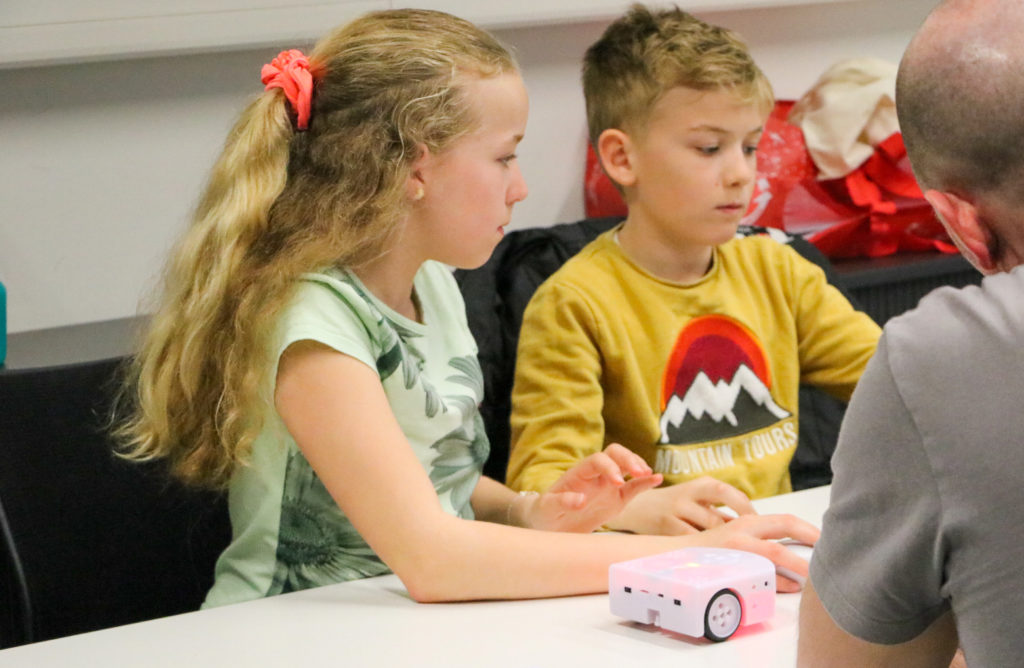
roteco is a community of practice for teachers interested in integrating educational robotics into their classrooms.

Ongoing
Thymio: the state-of-the-art in mobile educational robotics
Thymio is an open-source educational robot designed by researchers from EPFL, in collaboration with ECAL, and produced by Mobsya, a nonprofit association whose mission is to offer comprehensive, engaging STEAM journeys to learners of all ages.
Finished
3T PLAY Tangible objects for developing Transversal skills at Technical universities
The 3T PLAY project develops playful activities with tangible objects to teach transversal skills to engineering students. Embedded in a premier engineering school, we take a research-based approach to identifying skills that are under-addressed in the higher education literature and skills of emerging importance for today’s environmental, social and economic challenges. The trident framework and activity guides have been iteratively developed through empirical observations and implementation, creating open-source resources for the engineering education and research communities.

Ongoing
Swiss National EdTech Testbed Program
The Swiss National EdTech Testbed Program is an initiative designed to support the digital transformation in education with appropriate technological solutions.

Ongoing
ASPIRE
ASPIRE is empowering researchers, beyond the current platform stakeholders, to access data generated within Graasp.

Ongoing
Mapping transversal skills
Professional (transversal) skills are career competences that are not specific to a particular job, task, discipline or are of knowledge. They are skills that can be used in variety of work settings, and as such are necessary for engineering graduates’ successful transition into future jobs.

Ongoing
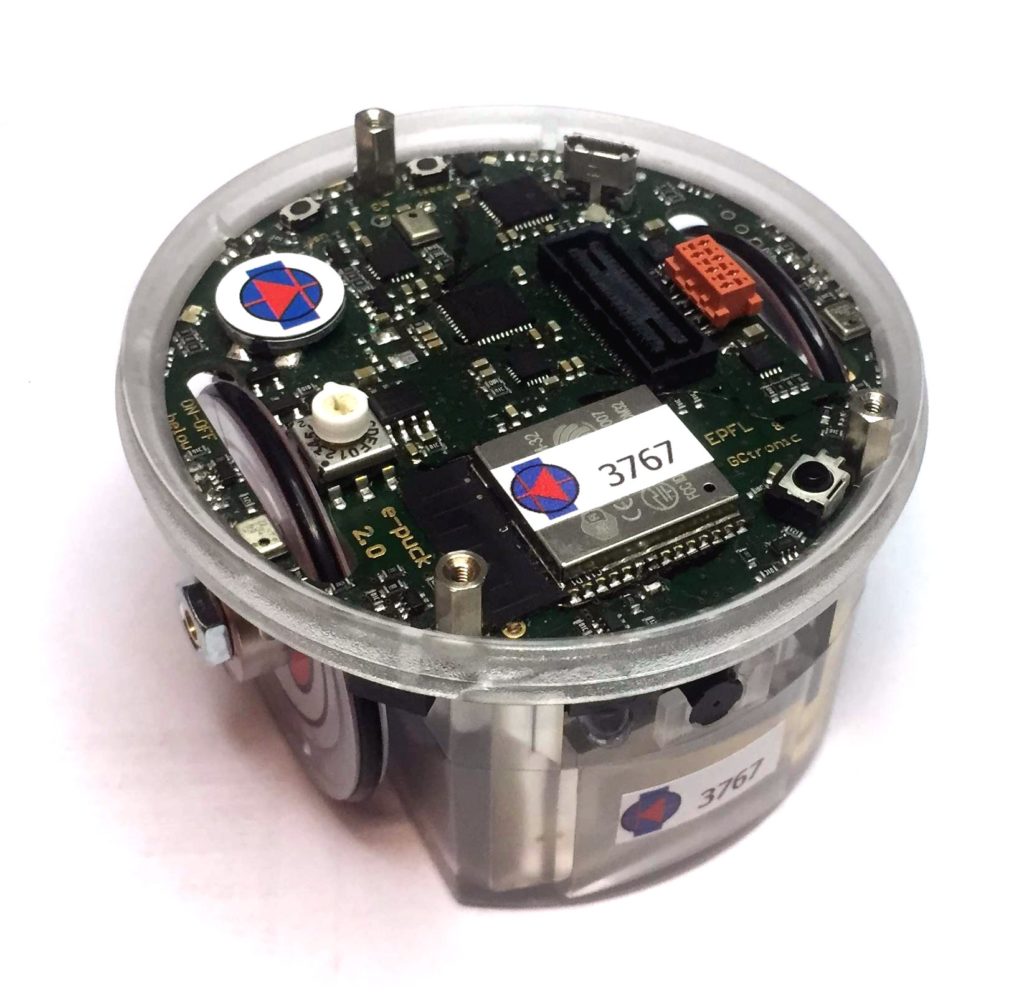
e-puck: the ultimate tool to teach embedded robotics
After more than 15 years and multiple generations, the Swiss-designed e-puck is still used worldwide by more than 4’000 universities and research centers. This modular mobile robot is a key tool to teach mobile robotics.
Ongoing
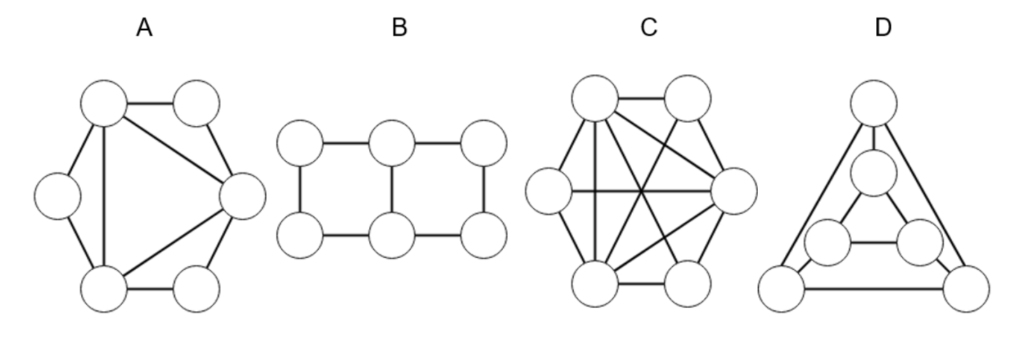
Computational thinking assessment
The goal of this initiative is to build a test to gauge computational thinking skills in a valid and reliable fashion. We are building, testing and validating a test that can be taken by anyone regardless of their previous knowledge or expertise in computer science.
Ongoing
Advice to teachers and sections
Partnerships between teaching advisors and faculty members are more likely to provide adequate and timely support to the teaching staff. The resources to advise teachers are blended, as they combine face-to-face meetings with relevant videos and documents.

Finished
Uni Analytics: learning analytics
We believe that machines can help humans teach and learn better. That is why we combine artificial intelligence and machine learning with insights from the learning sciences to better understand what people know and how they learn.
