Initiatives
Title
28 Initiatives
Ongoing
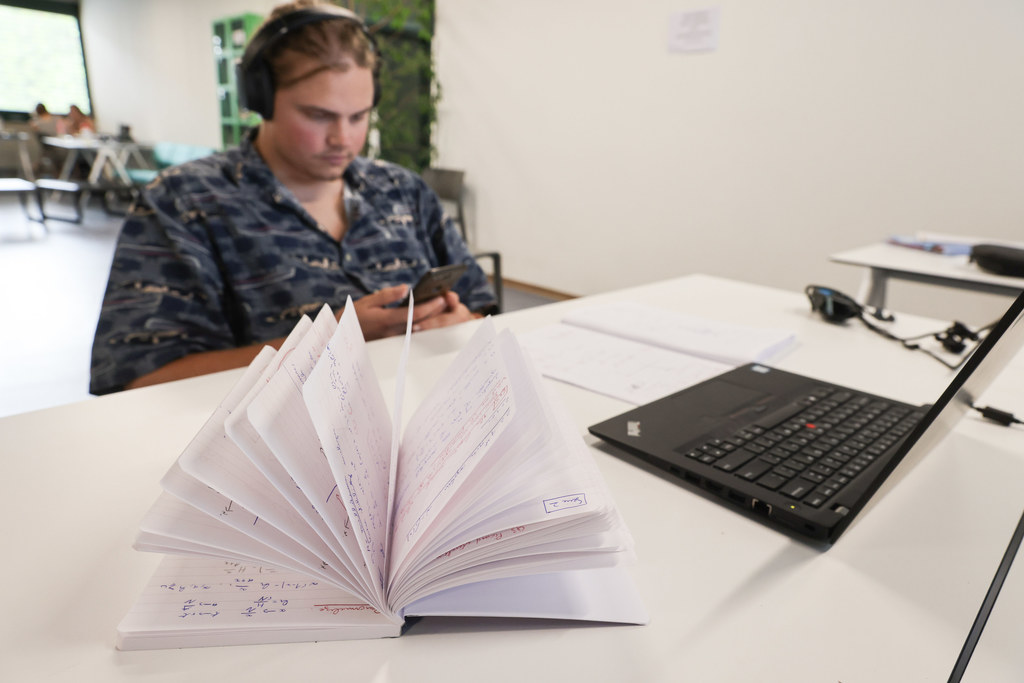
Research on Education in Times of Covid-19
How does distance teaching during lockdown affect students and teachers? How can we collect the evidence in order to inform decision-makers?
Ongoing
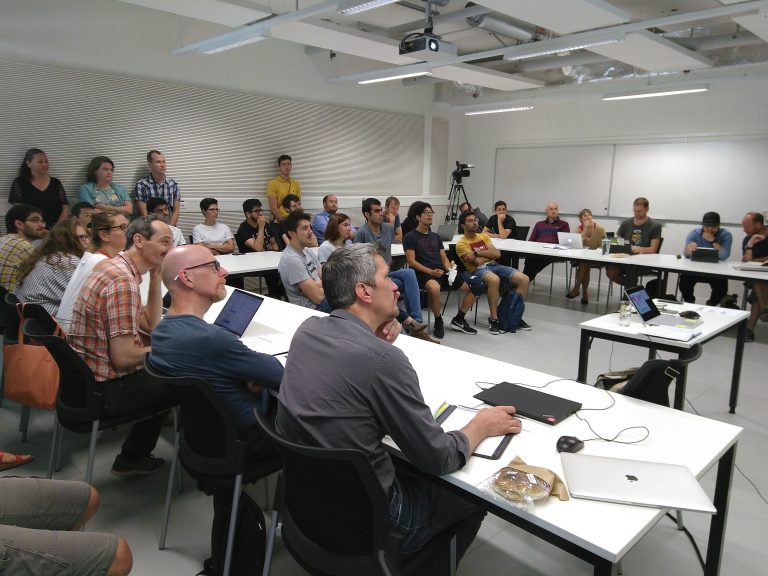
lunch&LEARN
The aim of Lunch&LEARN sessions is to gather an EPFL audience interested in novel and effective learning and teaching approaches, and to create a rich discussion around successful paradigms based on evidence. Do join us!
Ongoing
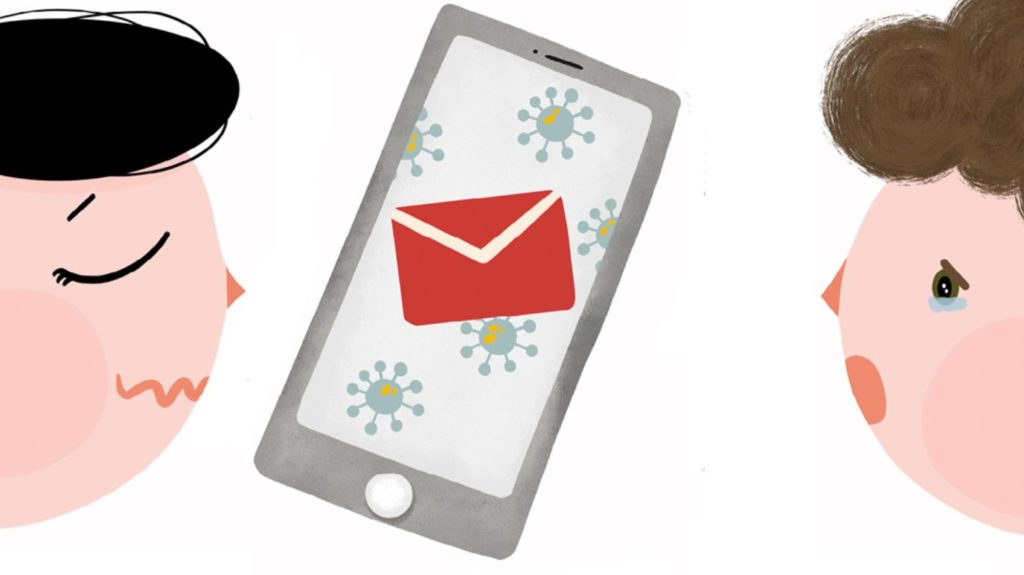
Teaching in times of covid-19
The LEARN teams supported EPFL teachers and primary school educators in implementing and adapting distance and hybrid teaching in the unexpected and imposed context of the COVID-19 pandemic lockdown.
Ongoing
Digital Education for Equity in Primary Schools (DEEP)
The DEEP (Digital Education for Equity in Primary Schools) consortium, supported by the Jacobs Foundation, investigates the foundations, challenges, and consequences of introducing digital learning in Swiss primary schools. The aim is to contribute to an equitable and sustainable digital transformation in Swiss primary education. DEEP is a collaboration of seven higher education institutions that reflect the institutional, disciplinary, methodological, and geographical diversity of Swiss educational research.
Ongoing
roteco: robotics teacher community
roteco is a community of practice for teachers interested in integrating educational robotics into their classrooms.

Ongoing
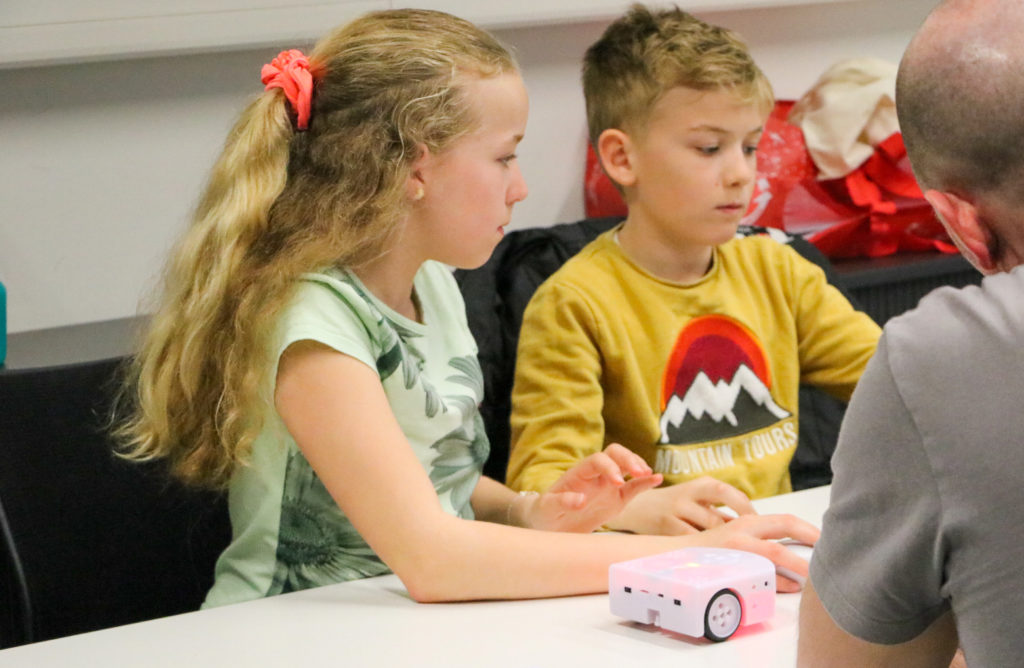
Thymio: the state-of-the-art in mobile educational robotics
Thymio is an open-source educational robot designed by researchers from EPFL, in collaboration with ECAL, and produced by Mobsya, a nonprofit association whose mission is to offer comprehensive, engaging STEAM journeys to learners of all ages.
Finished
3T PLAY Tangible objects for developing Transversal skills at Technical universities
The 3T PLAY project develops playful activities with tangible objects to teach transversal skills to engineering students. Embedded in a premier engineering school, we take a research-based approach to identifying skills that are under-addressed in the higher education literature and skills of emerging importance for today’s environmental, social and economic challenges. The trident framework and activity guides have been iteratively developed through empirical observations and implementation, creating open-source resources for the engineering education and research communities.

Ongoing
Learning Companion
The Learning Companion is the result of a collaboration between the Center for Digital Education (CEDE) and the Teaching Support Center (CAPE) at EPFL, both members of the Center LEARN.
The Learning Companion allows students to self-assess on three levels. It invites them to reflect on their learning habits, problem-solving strategies, and their project management skills.
The Learning Companion allows students to self-assess on three levels. It invites them to reflect on their learning habits, problem-solving strategies, and their project management skills.

Ongoing
Mapping transversal skills
Professional (transversal) skills are career competences that are not specific to a particular job, task, discipline or are of knowledge. They are skills that can be used in variety of work settings, and as such are necessary for engineering graduates’ successful transition into future jobs.

Finished
Digital education: the “EduNum” reform project
La transition numérique à l'école et au gymnase: afin d’accompagner la transition numérique de la société, le canton de Vaud a priorisé un programme d’éducation numérique étendu à l’ensemble du système de formation dans son programme de législature 2017-2022.
Ongoing
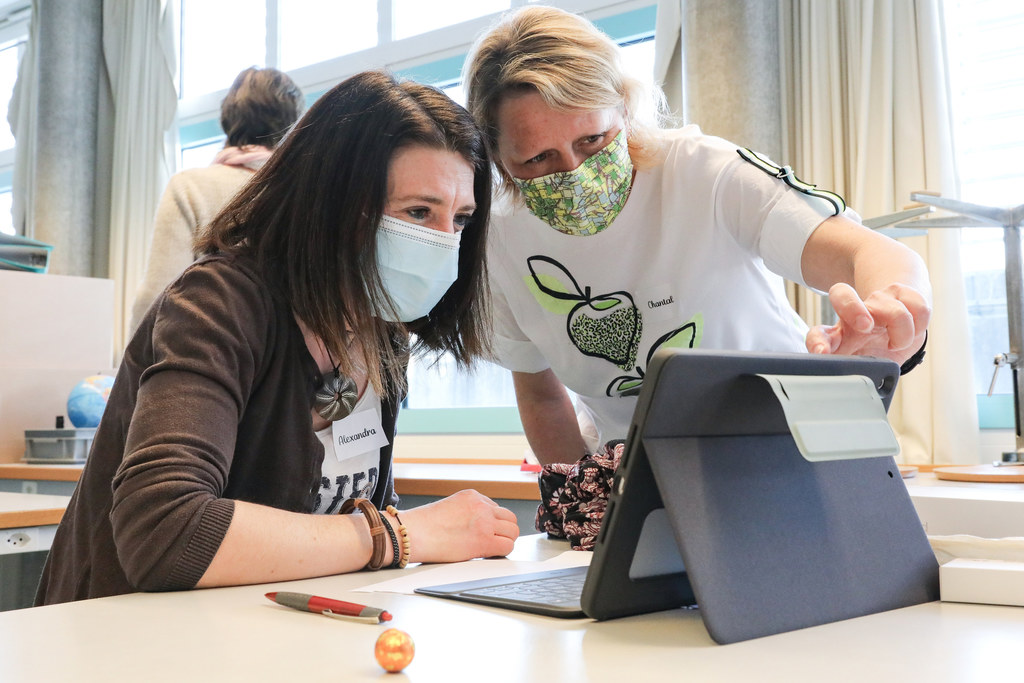
Computational thinking assessment
The goal of this initiative is to build a test to gauge computational thinking skills in a valid and reliable fashion. We are building, testing and validating a test that can be taken by anyone regardless of their previous knowledge or expertise in computer science.
Ongoing
Flipped classroom
The term “flipped classroom” refers to a teaching approach in which students get a first exposure to course content before class, through readings or videos, then spend class time deepening their understanding of that content through learning activities with the teacher and/or teaching team (e.g. interactive quizzes, experiments, demonstrations, group problem solving assignments, etc.).