© Cristina Agrigoroae/ 2026 EPFL

What are we educating ourselves to notice?

  • News
  • Education
Read moresur Tech Transfer.

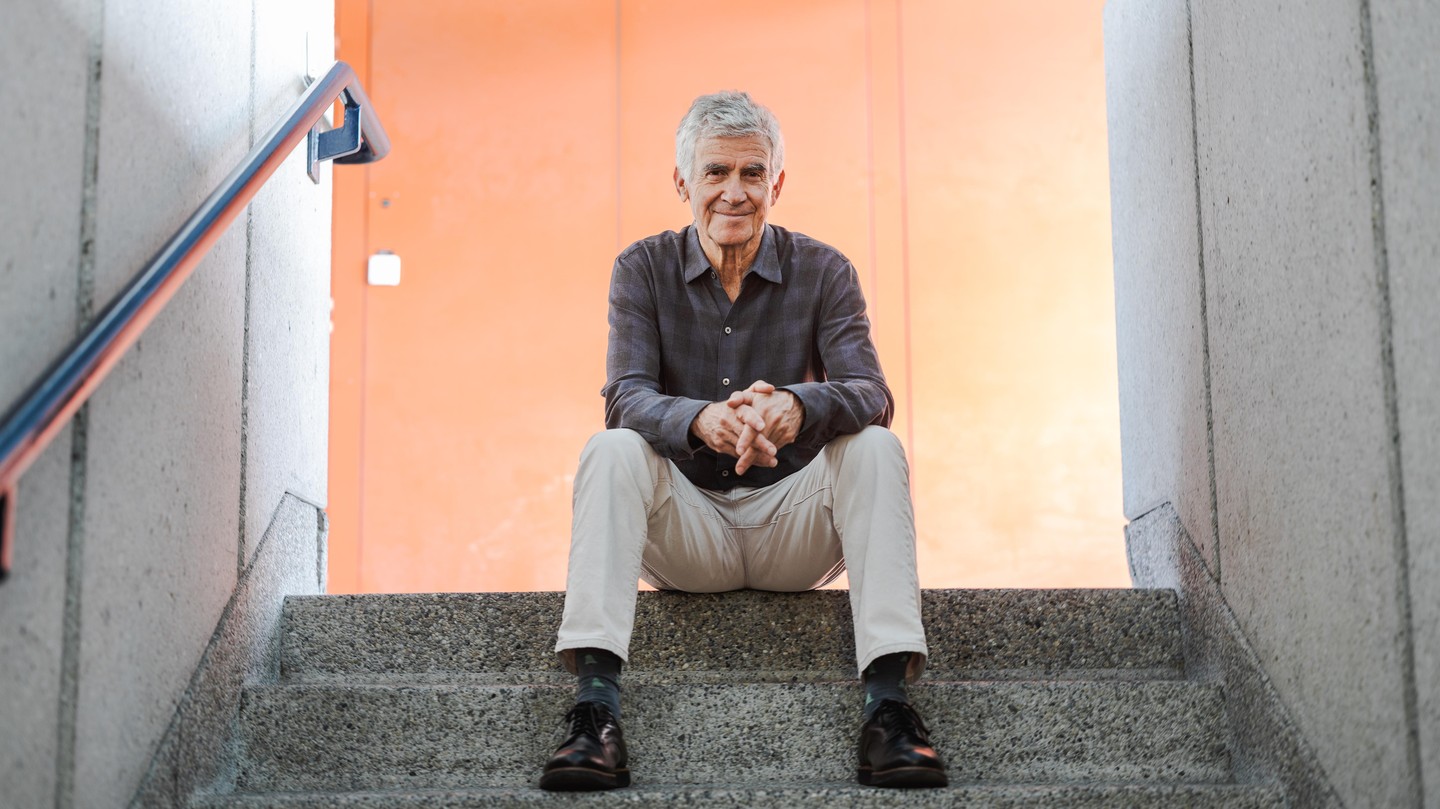
Why sustainability learning needs more than information, and why emotions are not a shortcut to action. An op-ed by Jié Gao, whose transdisciplinary research explores how to design learning spaces, combining role play, dialogue, and reflection, in which emotions and scientific reasoning work together rather than against each other when facing the complex challenges of sustainability.
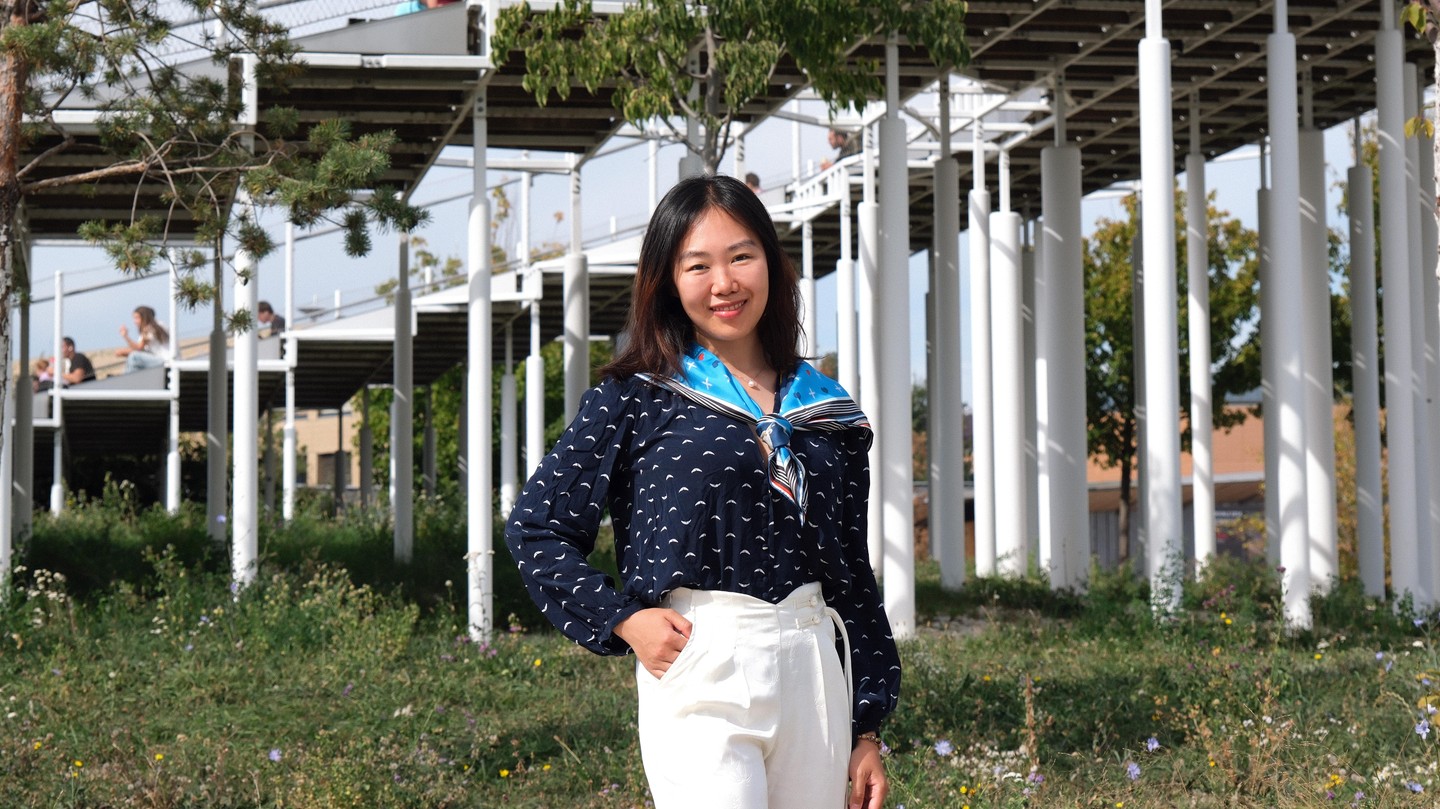
© Cristina Agrigoroae/ 2026 EPFL

What are we educating ourselves to notice?

— Why sustainability learning needs more than information, and why emotions are not a shortcut to action. An op-ed by Jié Gao, whose transdisciplinary research explores how to design learning spaces, combining role play, dialogue, and reflection, in which emotions and scientific reasoning work together rather than against each other when facing the complex challenges of sustainability.
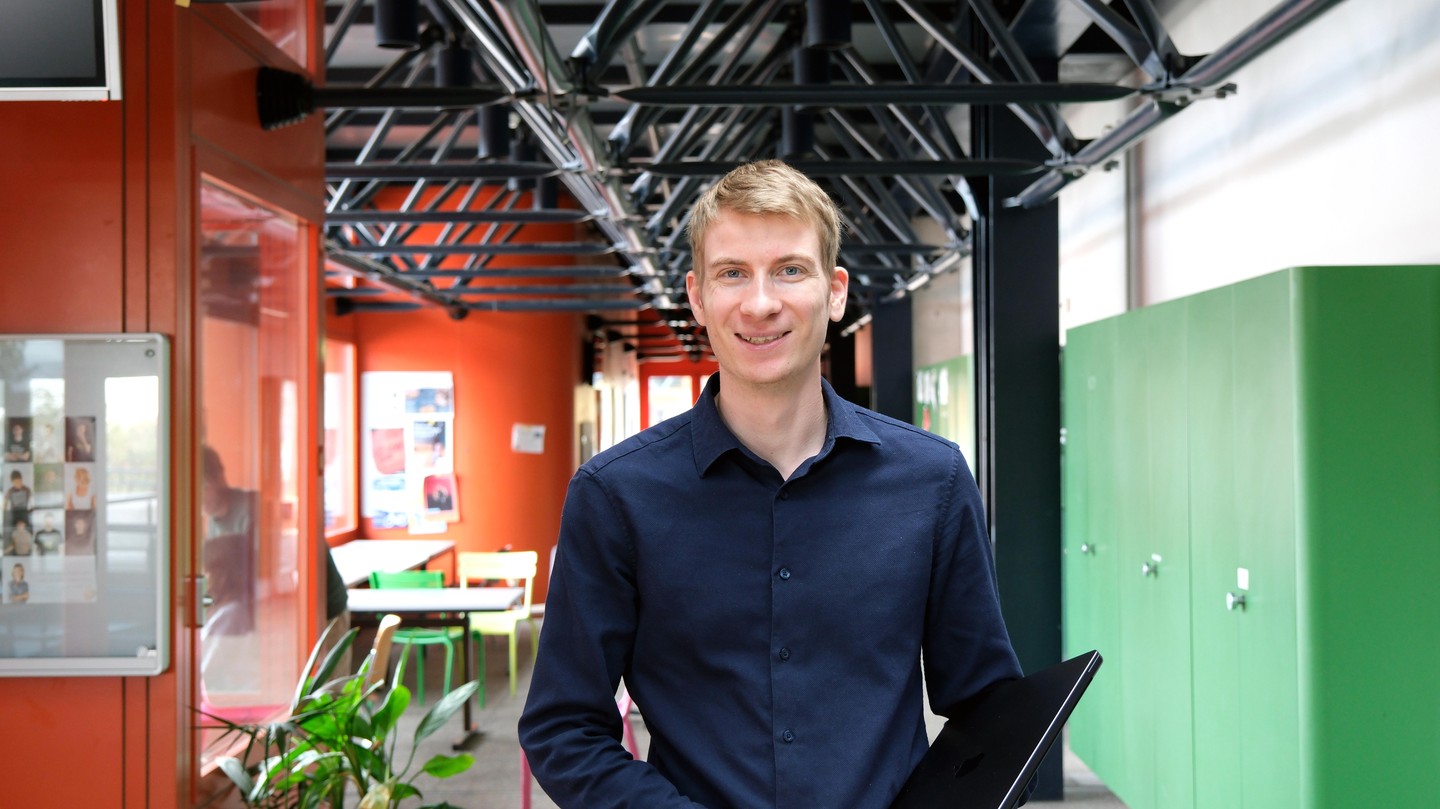
Cristina Agrigoroae © 2026 EPFL

Should an AI tutor teach how to prompt or how to reflect?

— A conversation with Jérôme Brender, whose research at the intersection of artificial intelligence and the learning sciences, focuses on how students engage with AI tools while learning to program, and what that engagement means for their learning in the long run.

Dan Schwartz , an expert in learning science at Stanford. 2026 EPFL/Lundi13 Niels Ackermann CC-BY-SA 4.0

“With AI, we need to reconsider what it means to learn”

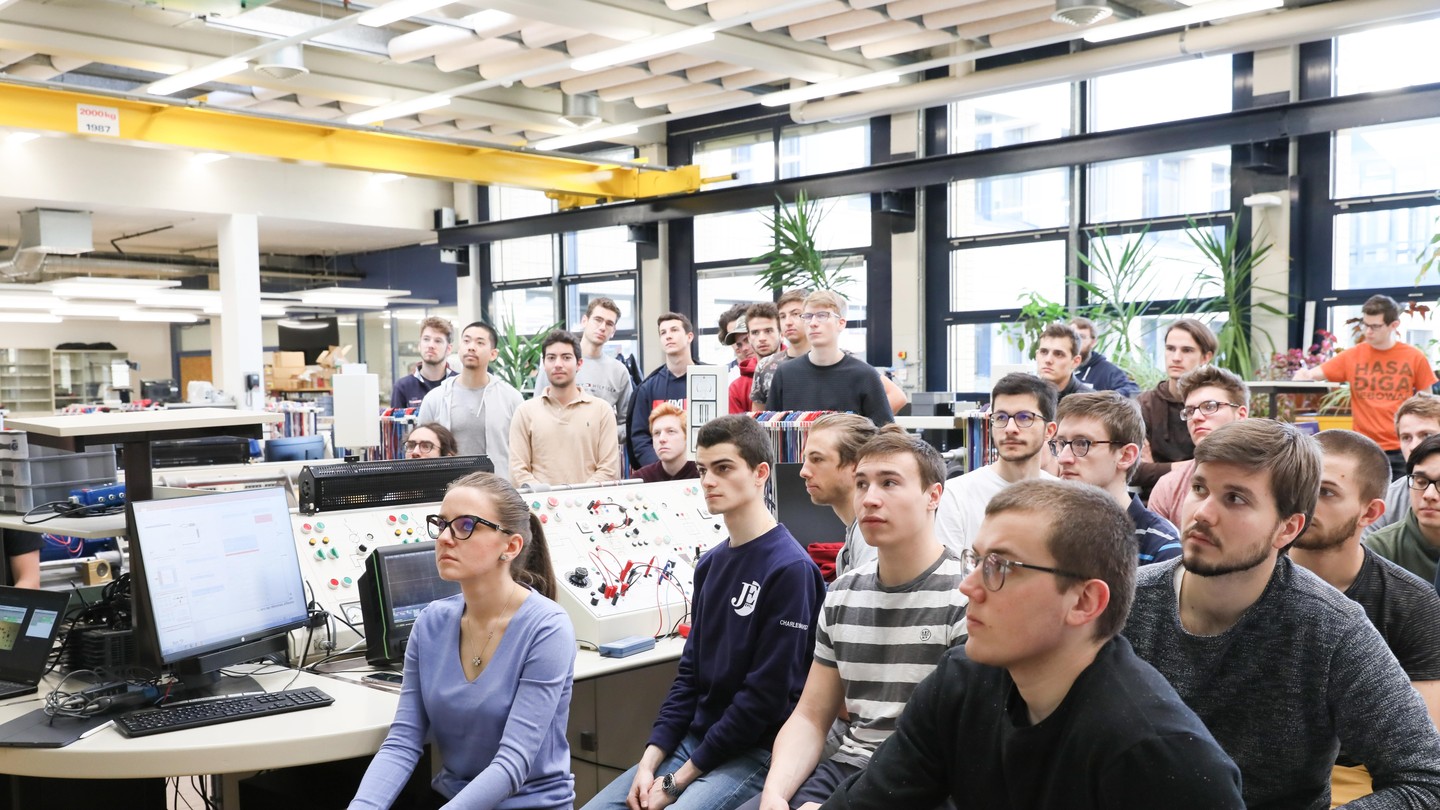
— Artificial intelligence is forcing universities to reinvent how they teach and assess students’ knowledge. According to Dan Schwartz, an expert in learning science at Stanford, the challenge goes well beyond deciding whether to let AI into the classroom – teachers need to think long and hard about what students should really learn.

© 2026 EPFL

Launch of CLUE, a new center dedicated to the science of learning

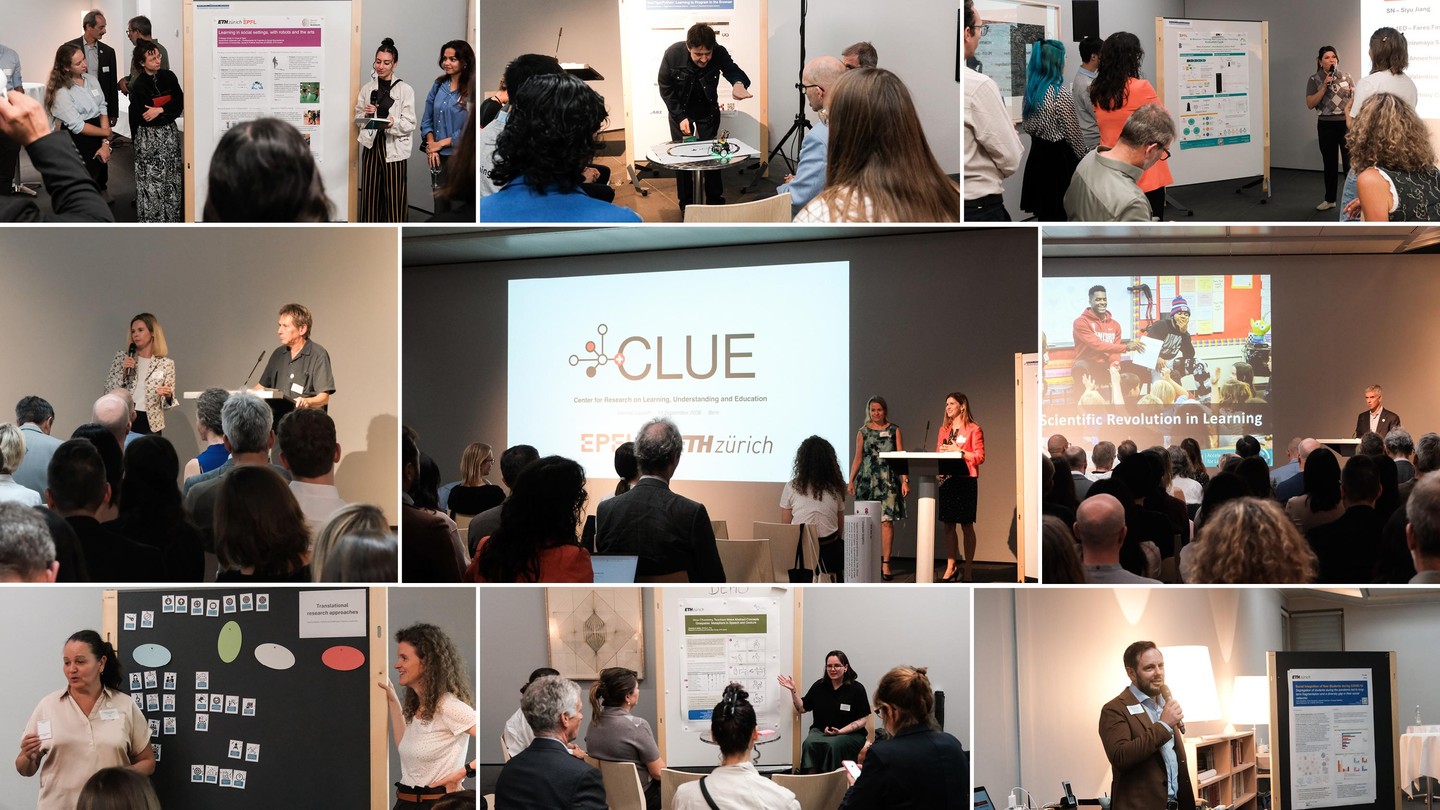
— ETH Zurich and EPFL officially launched CLUE – the Joint Center for Research on Learning, Understanding, and Education, dedicated to the science of learning. The two-part event, held on 10 September in Bern, brought together researchers, institutional leaders, and partners from across the Swiss education landscape.

Welcome Day 2026. 2026 EPFL/Adrien Buttier CC-BY-SA 4.0

AI takes root in university curriculum

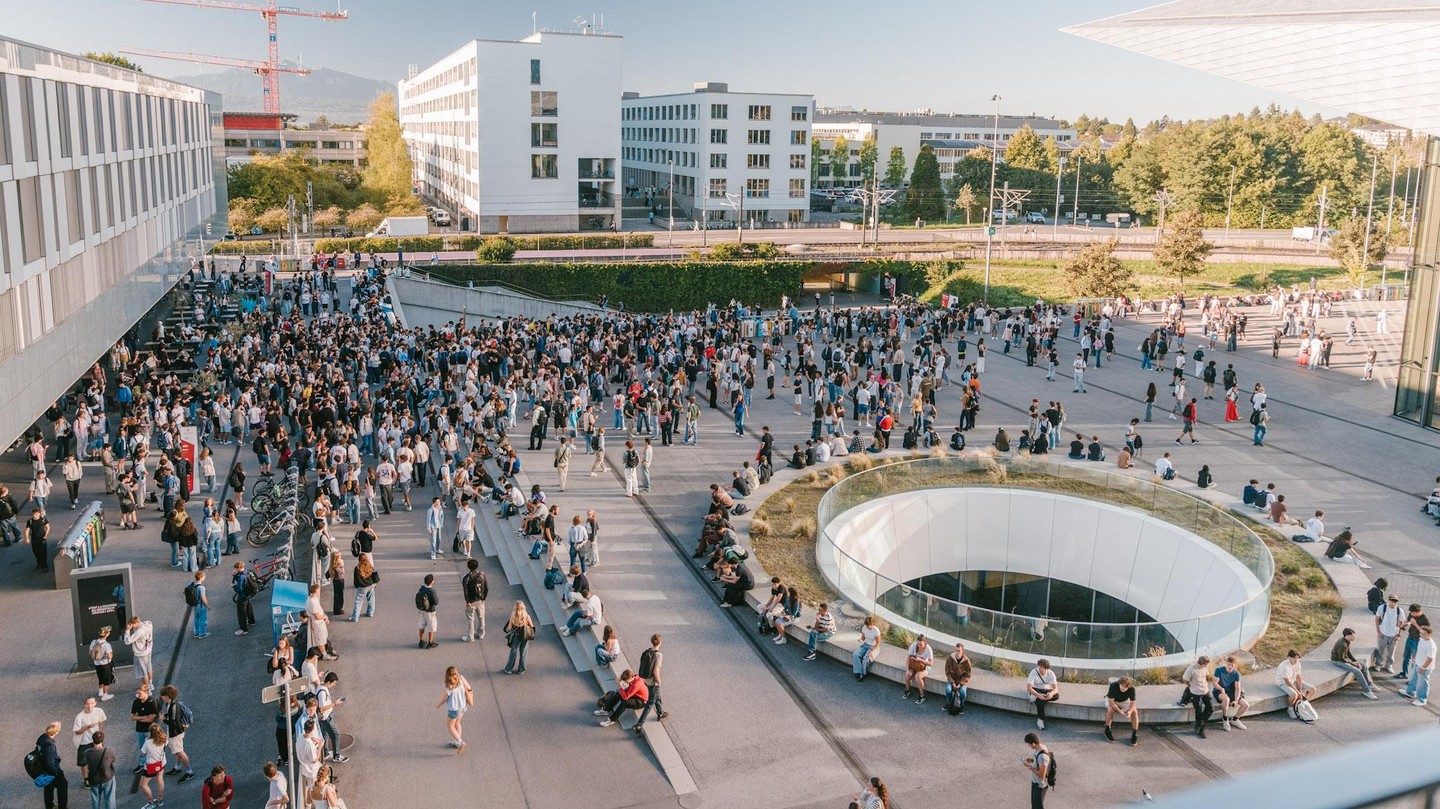
— More than 12,000 students have returned to classes at EPFL. How has the advance of artificial intelligence transformed higher education?

© 2026 EPFL

Teaching Development Fund s'EPanouir–FLourish: Call for projects.

— After a successful first edition funding and supporting 8 projects across the 5 schools, the second Teaching Development Fund s’EPanouir–FLourish call for projects is now open and accepting projects until October 30th, 2026.

Sunny Avry (left) and Maria Pannatier (right) co-founded evalution © 2026 EPFL

A digital tool for teacher professional development

— Teachers’ professional development should also be data-driven. A training evaluation tool developed at the Center LEARN offers a solution based on translational research.

© 2026 EPFL

Interactive hints to help with solving exercises

— The Centre for Digital Education now offers a new service for EPFL teachers: the creation and integration of educational hints into your exercises to help students solve problems.

© 2026 EPFL

Responsible AI skills for education

— Workshop series. Develop practical skills for your everyday practice: Effective quiz design, Teaching critical analysis.

All news